
Cramer Group
Organometallic Chromium Catalysis
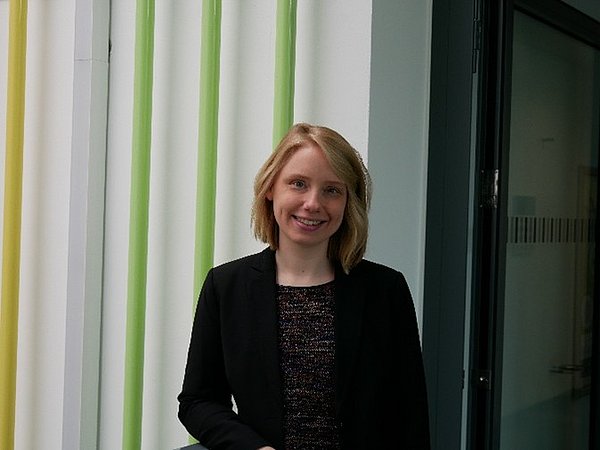
Please reach out to Dr. Hanna Hinrika Cramer by email (hanna.cramer(at)rub.de) to discuss your project before submitting your application!
About the topic
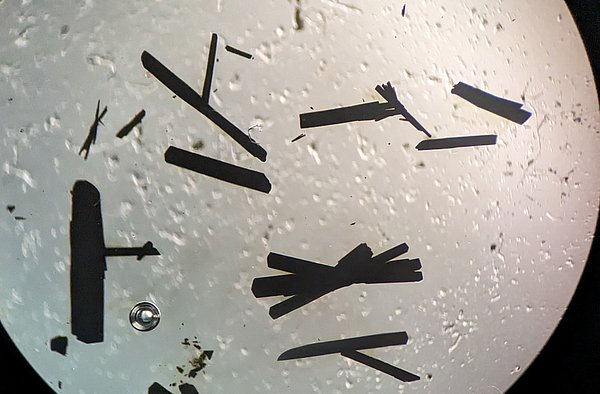
As an earth-abundant, first-row transition metal, chromium is attractive in organometallic catalysis but remains significantly underexplored. A main challenge is that the active, low-valent catalyst species is typically formed in situ from complicated mixtures that hamper insight into the catalytic mechanism, which significantly limits rational catalyst development.
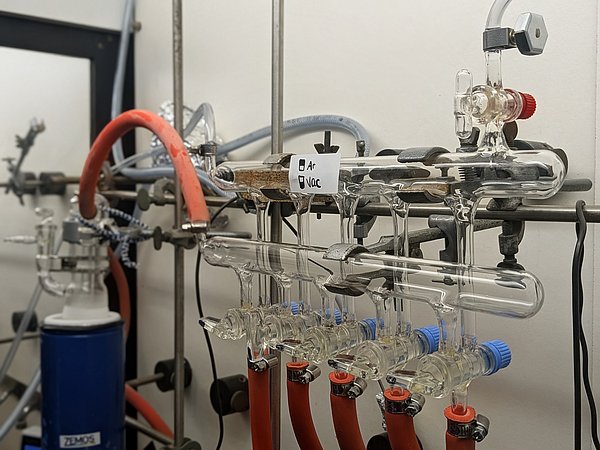
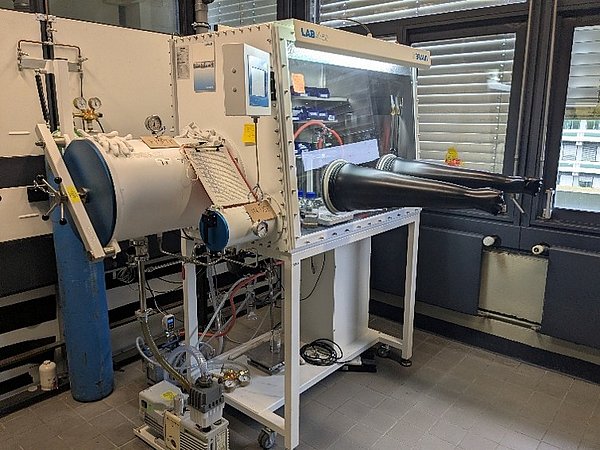
This project aims to develop well-defined chromium complexes that form active catalyst species by mild, external triggers, such as visible light. We envision these to enable catalytic applications in the cleavage of strong bonds and in the upconversion of bioderived feedstocks to useful products.
What we expect from the students
We are looking for motivated students with basic knowledge on molecular inorganic chemistry and/or computational chemistry. Depending on your interest, projects are available with both experimental and computational focus.
How to apply
For your application, you will need to upload your:
- Research proposal (1 page)
- CV with contact details and affiliation (max. 2 pages)
- Letter of motivation related to Solvation Science (1 page)
- Diploma of your finished education level (Bachelor or Master) and transcript. Please don't send a transcript of the middle of the course.
Prerequisites: Current Master's and PhD students in the fields of Natural Sciences, Medical Sciences, or related topics of Engineering
The program is officially open. New Application deadlines will be 1. December 2026, 1 March 2027 and 1 June 2027.
The results of first application deadline will be announced before 20. December 2026.
Win a research stay
Subject: enact your research proposal
Duration: 3 months
Location: Ruhr University Bochum, Technical University Dortmund,University Duisburg-Essen, Max-Planck-Institut
Language of instruction: English
Funding: RESOLV sponsors travel (reimbursement) and a monthly stipend
Period of research stay: before December 2027