
Clever Group
How to control the solubility of supramolecular compounds
About the topic
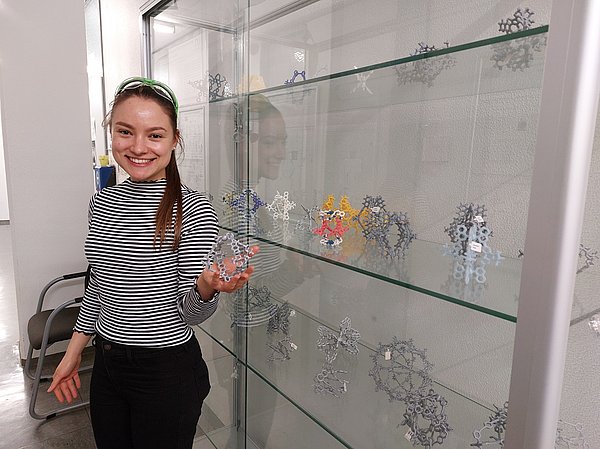
We have shown previously that a new type of molecular surfactant, so-called amphiphilic coordination cages, can be synthesized in a modular fashion from relatively simple precursors. Due to their amphiphilic nature these cages self-aggregate into vesicular structures in suited solvents and are able to stabilize oil-in-oil emulsions; the latter can be used for the templated synthesis of metal oxide microcapsules. The project’s aim is to gain a better understanding of the underlying self-aggregation phenomena by modulating the cage’s solubility and investigating its effect on the self-aggregation in different solvents.
What we expect from the students
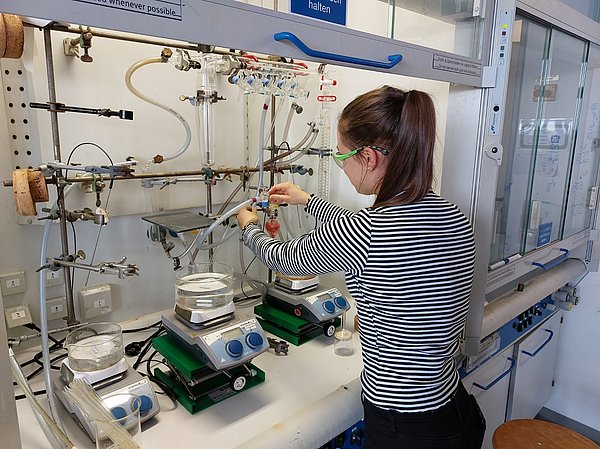
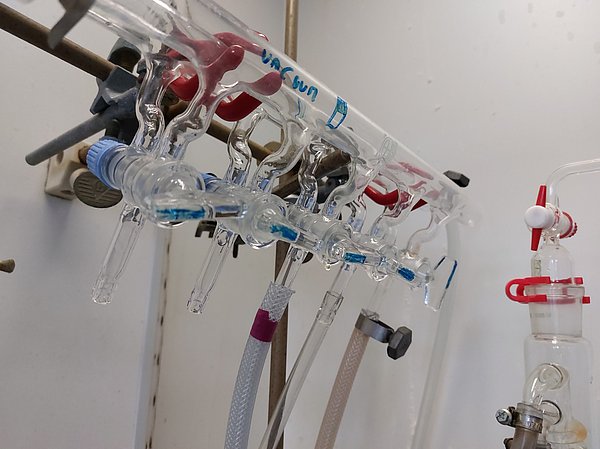
For the solvation student challenge program, students with experiences in basic organic synthesis (experimantal) can apply. Experiences with the Schlenk technique are beneficial but not required.
How to apply
For your application, you will need to upload your:
- Research proposal (1 page)
- CV with contact details and affiliation (max. 2 pages)
- Letter of motivation related to Solvation Science (1 page)
- Diploma of your finished education level (Bachelor or Master) and transcript. Please don't send a transcript of the middle of the course.
Prerequisites: Current Master's and PhD students in the fields of Natural Sciences, Medical Sciences, or related topics of Engineering
The program is officially open. New Application deadlines will be 1. December 2026, 1 March 2027 and 1 June 2027.
The results of first application deadline will be announced before 20. December 2026.
Win a research stay
Subject: enact your research proposal
Duration: 3 months
Location: Ruhr University Bochum, Technical University Dortmund,University Duisburg-Essen, Max-Planck-Institut
Language of instruction: English
Funding: RESOLV sponsors travel (reimbursement) and a monthly stipend
Period of research stay: before December 2027